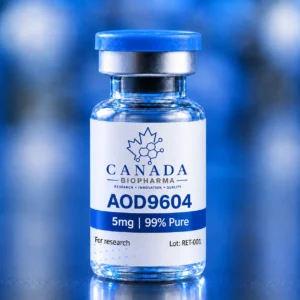
AOD-9604 5 mg is an experimental peptide derived from a fragment of human growth hormone and investigated for potential effects on fat metabolism and weight management. It has been studied for its ability to influence lipolysis without producing the full growth-related effects of HGH. However, clinical evidence for meaningful weight-loss benefits remains limited, and it is not an FDA-approved medication.
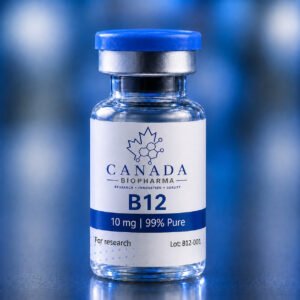
Vitamin B12 10 mg is a high-dose formulation of cobalamin, an essential vitamin involved in red blood cell formation, DNA synthesis, and normal nerve function. It is commonly used to prevent or treat vitamin B12 deficiency. Depending on the formulation, it may be taken orally or given by injection. Appropriate dosing depends on the individual’s needs and medical condition.
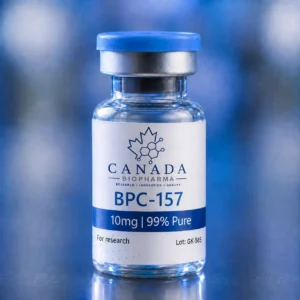
BPC-157 10 mg is an experimental peptide derived from a protective gastric protein and has been studied primarily in laboratory and animal research for potential effects on tissue repair, inflammation, and gastrointestinal health. It is not an approved medication for routine human use, and reliable clinical evidence on its safety and effectiveness remains limited. Products marketed as BPC-157 may be unapproved or research-grade.
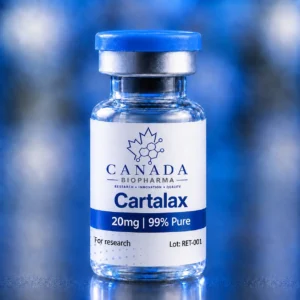
Cartalax 20 mg is an experimental peptide preparation associated with research into cartilage and connective-tissue support. It has been marketed for potential effects on joint health, tissue repair, and musculoskeletal recovery, but robust human clinical evidence is limited. Cartalax is not an FDA-approved medication, and the quality, purity, and safety of unapproved injectable products can vary.
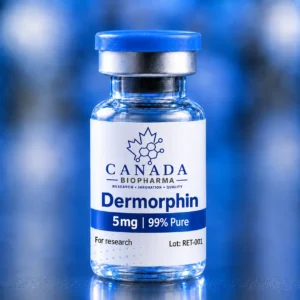
Dermorphin 5 mg is a synthetic opioid peptide originally identified in the skin of certain South American frogs. It acts on opioid receptors and has potent pain-relieving properties demonstrated in research. However, it is not an approved medication for routine human use. Dermorphin carries serious risks, including potentially life-threatening respiratory depression, and should not be used outside appropriately authorized research settings.
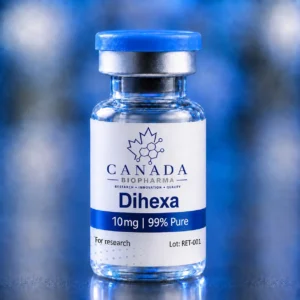
Dihexa 10 mg is an experimental compound investigated for potential effects on cognition, memory, and neuroplasticity. Preclinical research has explored its interaction with pathways involved in brain-cell growth and synaptic function, but reliable human clinical evidence is lacking. Dihexa is not an FDA-approved medication, and its long-term safety, appropriate dosing, and effectiveness in humans have not been established.
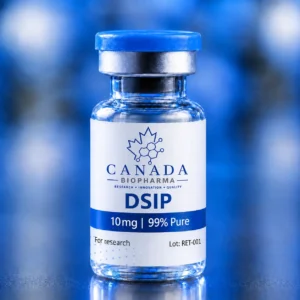
DSIP 10 mg (Delta Sleep-Inducing Peptide) is an experimental peptide investigated for potential effects on sleep, stress responses, and pain regulation. Research has explored its possible influence on sleep patterns and neuroendocrine function, but reliable evidence in humans remains limited. DSIP is not an FDA-approved medication, and the safety, effectiveness, and appropriate dosing of unapproved products have not been established.
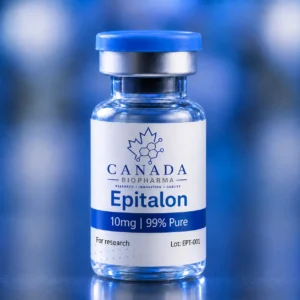
Epitalon 10 mg is an experimental synthetic peptide studied for potential effects on sleep, circadian rhythms, aging, and cellular function. It is sometimes marketed as a sleep or longevity peptide, but reliable human evidence supporting these benefits is limited. Epitalon is not FDA-approved for routine medical use, and injectable or compounded products may have uncertain purity, dosage accuracy, and safety.
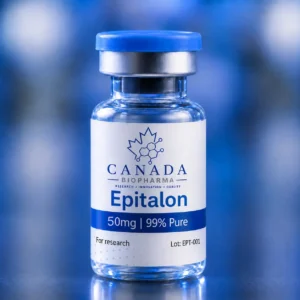
Epitalon 50 mg is an experimental synthetic peptide marketed for potential support of sleep, circadian rhythm, and healthy aging. Research has explored its effects on cellular and biological processes, but robust human evidence for sleep or longevity benefits remains limited. Epitalon is not an FDA-approved medication, and unapproved products may have uncertain purity, potency, and safety.