
$60.00
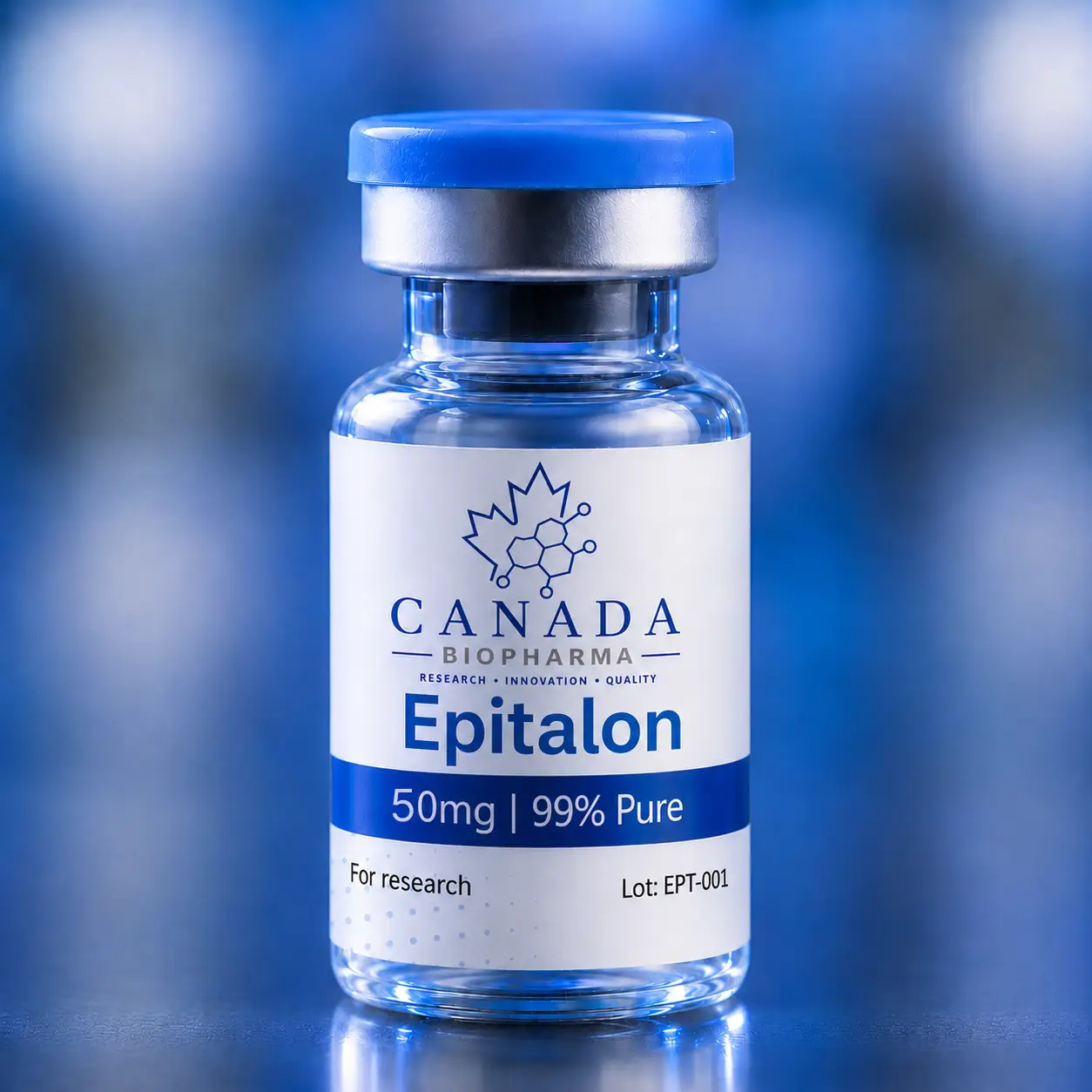
Epitalon 50mg (sleep)
Epitalon 50 mg is an experimental synthetic peptide marketed for potential support of sleep, circadian rhythm, and healthy aging. Research has explored its effects on cellular and biological processes, but robust human evidence for sleep or longevity benefits remains limited. Epitalon is not an FDA-approved medication, and unapproved products may have uncertain purity, potency, and safety.

Description
1. Overview
Epitalon (Epithalon) is a synthetic tetrapeptide that has been investigated in relation to sleep regulation, circadian rhythms, melatonin pathways, and aging-related biology. It remains an investigational peptide and is not an FDA-approved treatment for insomnia.
2. Potential Benefits Under Research
Epitalon has been investigated for:
- Sleep and sleep-quality support
- Circadian rhythm regulation
- Melatonin-related pathways
- Healthy-aging research
- Cellular and biological aging processes
However, these should be described as research areas rather than established clinical benefits. FDA found no clinical studies demonstrating that Epitalon effectively treats patients with insomnia.
3. How It May Work
Research has explored whether Epitalon influences melatonin metabolism and circadian signaling. However, changes in melatonin-related biomarkers have not been shown to establish a meaningful improvement in insomnia or other clinical sleep outcomes.
4. Epitalon 50 mg
50 mg indicates the stated quantity of Epitalon in a particular product. It does not represent an established or approved therapeutic dose for sleep. There is currently no FDA-approved 50 mg Epitalon dosing regimen.
5. Possible Risks & Safety
Human safety information is limited. FDA has identified concerns involving:
- Potential immunogenicity
- Peptide aggregation
- Peptide-related impurities
- Lack of adequate human safety data, particularly for subcutaneous administration
- Unknown long-term effects
6. Regulatory Status
In July 2026, an FDA advisory committee considered Epitalon for potential compounding in relation to insomnia, but an advisory recommendation does not constitute FDA approval and does not establish efficacy or safety. FDA’s own review concluded that evidence supporting effectiveness for insomnia was lacking.
7. Conclusion
Epitalon 50 mg (Sleep) is best described as an investigational peptide marketed for sleep and circadian-related purposes. While research has explored its relationship with melatonin and sleep biology, there is currently insufficient clinical evidence to establish 50 mg as an effective or validated sleep-treatment dose.
Reviews
There are no reviews yet.