
$50.00
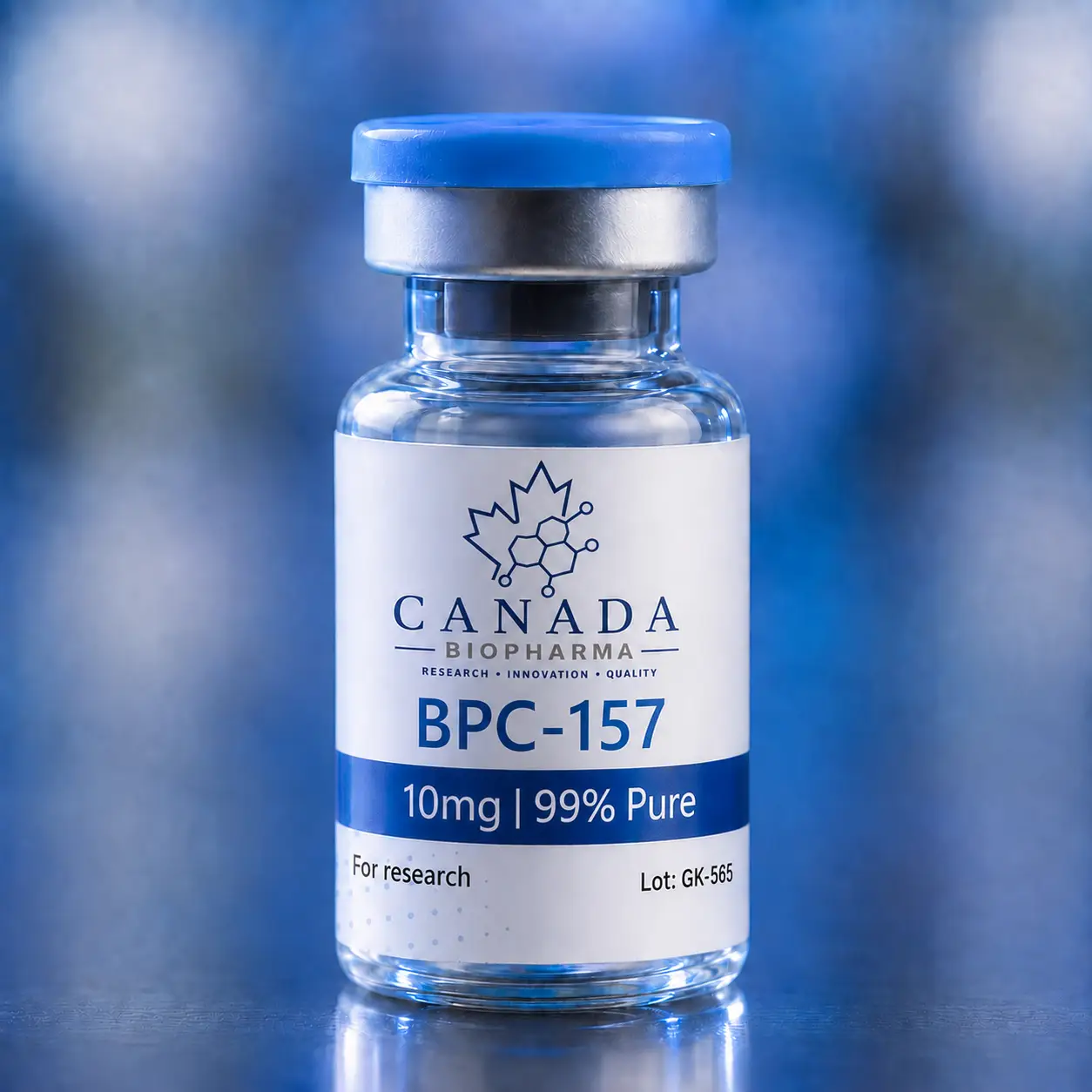
BPC157 10mg
BPC-157 10 mg is an experimental peptide derived from a protective gastric protein and has been studied primarily in laboratory and animal research for potential effects on tissue repair, inflammation, and gastrointestinal health. It is not an approved medication for routine human use, and reliable clinical evidence on its safety and effectiveness remains limited. Products marketed as BPC-157 may be unapproved or research-grade.

Description
1. Overview
BPC-157 (Body Protection Compound-157) is a synthetic 15-amino-acid peptide being investigated primarily in preclinical research. Studies have explored its possible effects on tissue repair, gastrointestinal function, inflammation, and healing. However, BPC-157 is not an approved medicine, and evidence for benefits in humans remains very limited.
2. Potential Benefits Under Research
Research has investigated BPC-157 for potential effects involving:
- Tissue and wound healing
- Tendon, ligament, and muscle recovery
- Gastrointestinal protection
- Inflammatory pathways
- Bone and connective-tissue repair
- Cellular and vascular signaling
Most of these findings come from laboratory and animal studies and cannot be considered established human benefits.
3. How It Works
The precise mechanism of BPC-157 in humans has not been established. Preclinical research suggests interactions with pathways involved in vascular signaling, inflammation, oxidative stress, and tissue repair, but the clinical relevance of these findings remains uncertain.
4. BPC-157 10 mg
10 mg indicates the amount stated on a particular product. It is not an established or approved human dose. There is currently no validated dosing regimen for BPC-157, and the appropriate dose, route, and treatment duration have not been established through adequate clinical trials.
5. Safety & Side Effects
Human safety information is limited. FDA’s 2026 review concluded that there is insufficient clinical safety information to adequately characterize BPC-157’s safety profile and raised concerns including possible immunogenicity and peptide-related impurities.
6. Regulatory Status
There is currently no approved BPC-157 drug product or approved therapeutic indication. Available human evidence consists of very small studies with important limitations and is insufficient to establish effectiveness or long-term safety.
7. Conclusion
BPC-157 10 mg is best described as an investigational research peptide, rather than an established therapeutic medication. While laboratory research has produced potentially interesting findings regarding tissue repair and gastrointestinal biology, substantially more controlled human research is needed to determine its effectiveness, safety, dosing, and appropriate medical applications.
Reviews
There are no reviews yet.