
$50.00
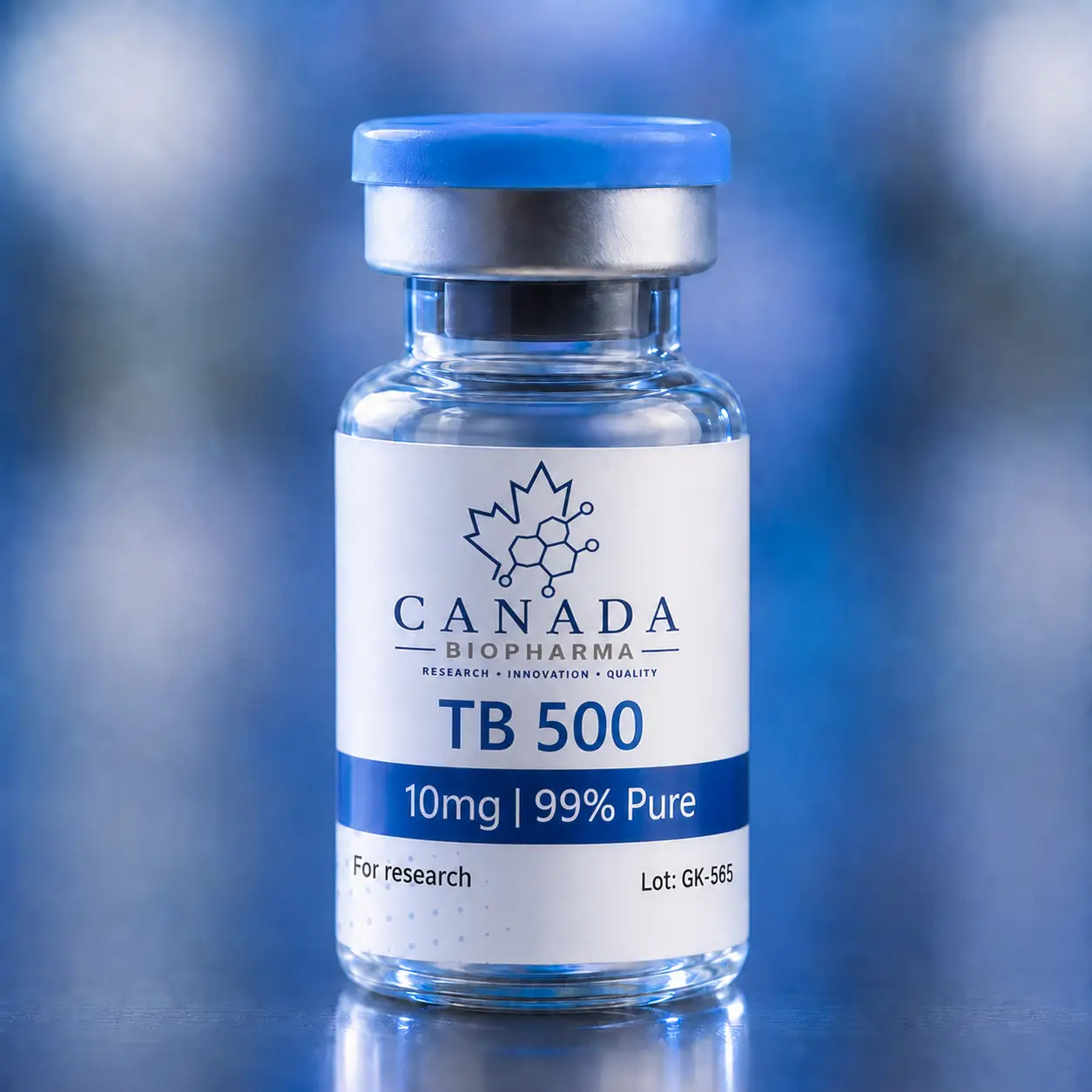
TB500 10mg

Description
1. Overview
TB-500 is a synthetic peptide fragment related to thymosin beta-4 (Tβ4). It is commonly described in the research-peptide market as a compound being investigated for tissue repair and regeneration. Importantly, TB-500 is not an approved human medicine, and its effectiveness and safety for therapeutic use have not been established. FDA information indicates that human studies specifically administering TB-500 have not been identified.
2. Potential Benefits Under Research
Research and marketing claims have focused on possible effects involving:
- Tissue repair and regeneration
- Muscle, tendon and ligament recovery
- Wound healing
- Inflammatory processes
- Cell migration and tissue remodeling
- Angiogenesis and vascular processes
These should be considered experimental research areas, not proven human benefits. Much of the research cited for these effects involves full-length thymosin beta-4 rather than TB-500 itself.
3. How It Works
TB-500 is generally described as a short synthetic fragment corresponding to part of thymosin beta-4. The exact biological activity and mechanism of the marketed TB-500 fragment in humans remain insufficiently characterized.
4. TB-500 10 mg
10 mg indicates the stated quantity of TB-500 in the product. It should not be interpreted as an established therapeutic dose. There is no validated human dosing regimen for TB-500 based on adequate clinical evidence.
5. Possible Risks & Safety
Human safety data for TB-500 are limited. Regulatory concerns include potential immunogenicity, aggregation, and peptide-related impurities, particularly with compounded injectable products. Long-term safety has not been established.
6. Regulatory Status
TB-500 is not an FDA-approved medication. It should therefore not be presented as an established treatment for injuries, muscle recovery, wound healing, or other medical conditions.
7. Conclusion
TB-500 10 mg is best described as an investigational research peptide. Although related thymosin-beta-4 research has produced interesting preclinical findings, those results should not automatically be attributed to TB-500. More rigorous human research is needed to establish its efficacy, safety, appropriate dosing, and potential medical applications.
Reviews
There are no reviews yet.