
$75.00
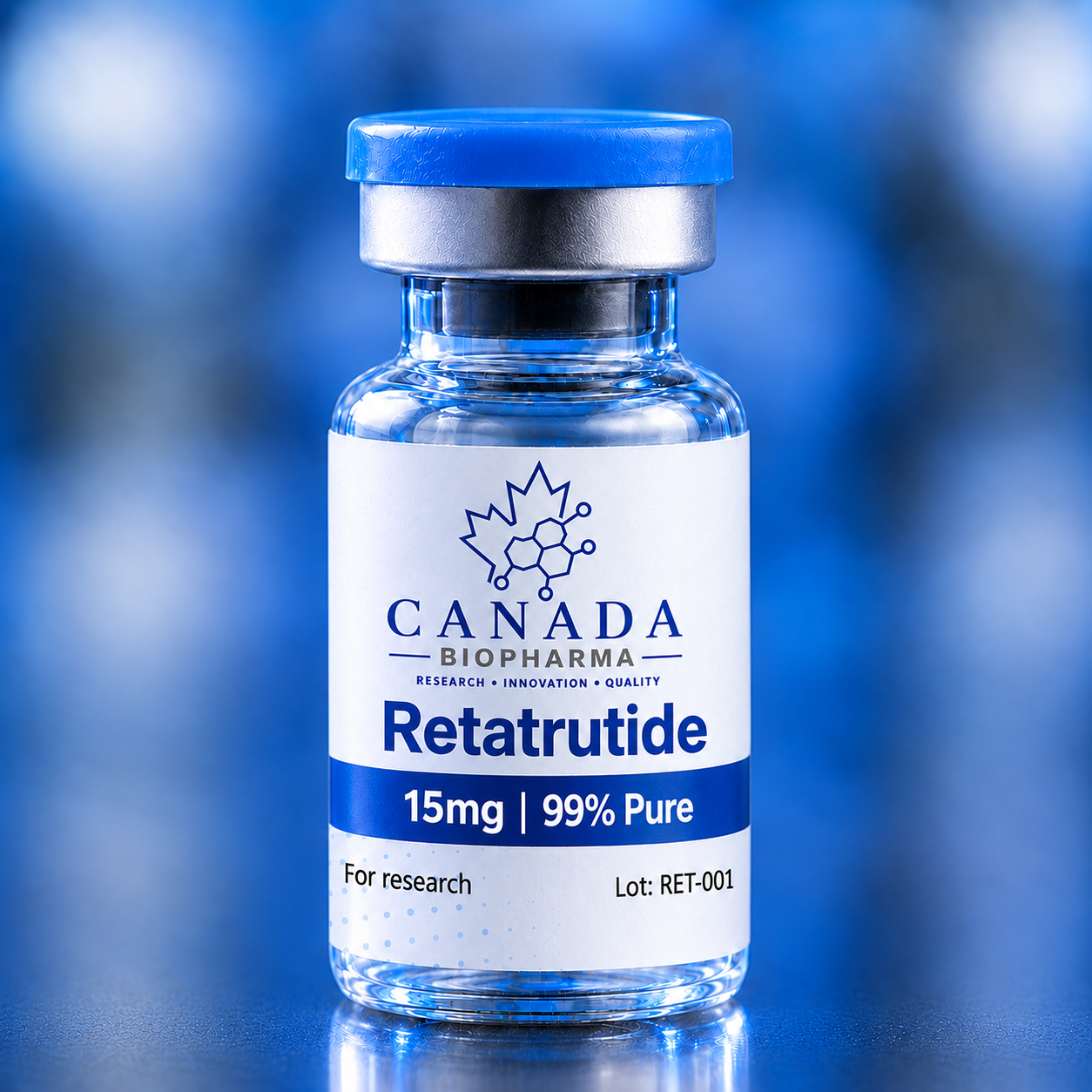
Retatrutide 15mg
It is an investigational medication being studied for weight management and blood sugar control. It works on three hormone receptors: GLP-1, GIP, and glucagon, which may help regulate appetite, improve glucose metabolism, and reduce body weight. It is not approved for routine use in many countries. Use only under qualified medical supervision and avoid unverified products.Retatrutide 15mg is an investigational medication being studied for weight management and blood sugar control. It works on three hormone receptors: GLP-1, GIP, and glucagon, which may help regulate appetite, improve glucose metabolism, and reduce body weight. It is not approved for routine use in many countries. Use only under qualified medical supervision and avoid unverified products.

Description
1. Overview
Retatrutide is an investigational medication being studied for weight management and metabolic health. It acts on three hormone receptors: GLP-1, GIP, and glucagon. These receptors play roles in appetite regulation, blood glucose control, and energy metabolism.
2. Potential Benefits
-
Weight management: Clinical trials have reported reductions in body weight among participants with obesity or overweight.
-
Appetite regulation: May help reduce hunger and food cravings.
-
Blood sugar control: Is being studied for its potential effects on glucose regulation.
-
Metabolic health: Research is examining its effects on waist circumference and other metabolic markers.
-
Energy metabolism: Its action on glucagon receptors may influence how the body uses stored energy.
These are potential benefits observed or investigated in clinical research, not guaranteed individual outcomes.
3. How It Works
Retatrutide activates three hormone receptors involved in appetite, glucose regulation, and energy balance. Its combined mechanism is being investigated for its effects on body weight and metabolic health.
Reported side effects in clinical trials include:
-
Nausea and vomiting
-
Diarrhoea or constipation
-
Reduced appetite
-
Abdominal discomfort
-
Altered skin sensations, such as tingling or unusual sensitivity
5. Strength and Dosage Information
15 mg indicates the stated product strength; it does not establish a safe or approved dose. Clinical trials have studied specific dose regimens, including 4 mg, 9 mg, and 12 mg. Do not assume that a 15 mg product is suitable for injection or self-administration.
6. Important Safety Information
As of October 2026, retatrutide remains an investigational medication and is not approved for general public use. It should only be accessed through authorized clinical trials. Products sold outside authorized research may have uncertain identity, purity, and safety.
7. Conclusion
Retatrutide is being investigated for its potential to support substantial weight loss and improve certain metabolic health markers. Although clinical results are promising, its safety, appropriate dosing, and regulatory status remain important considerations. Medical supervision and reliable clinical evidence are essential before considering any investigational treatment.
Reviews
There are no reviews yet.