
$40.00
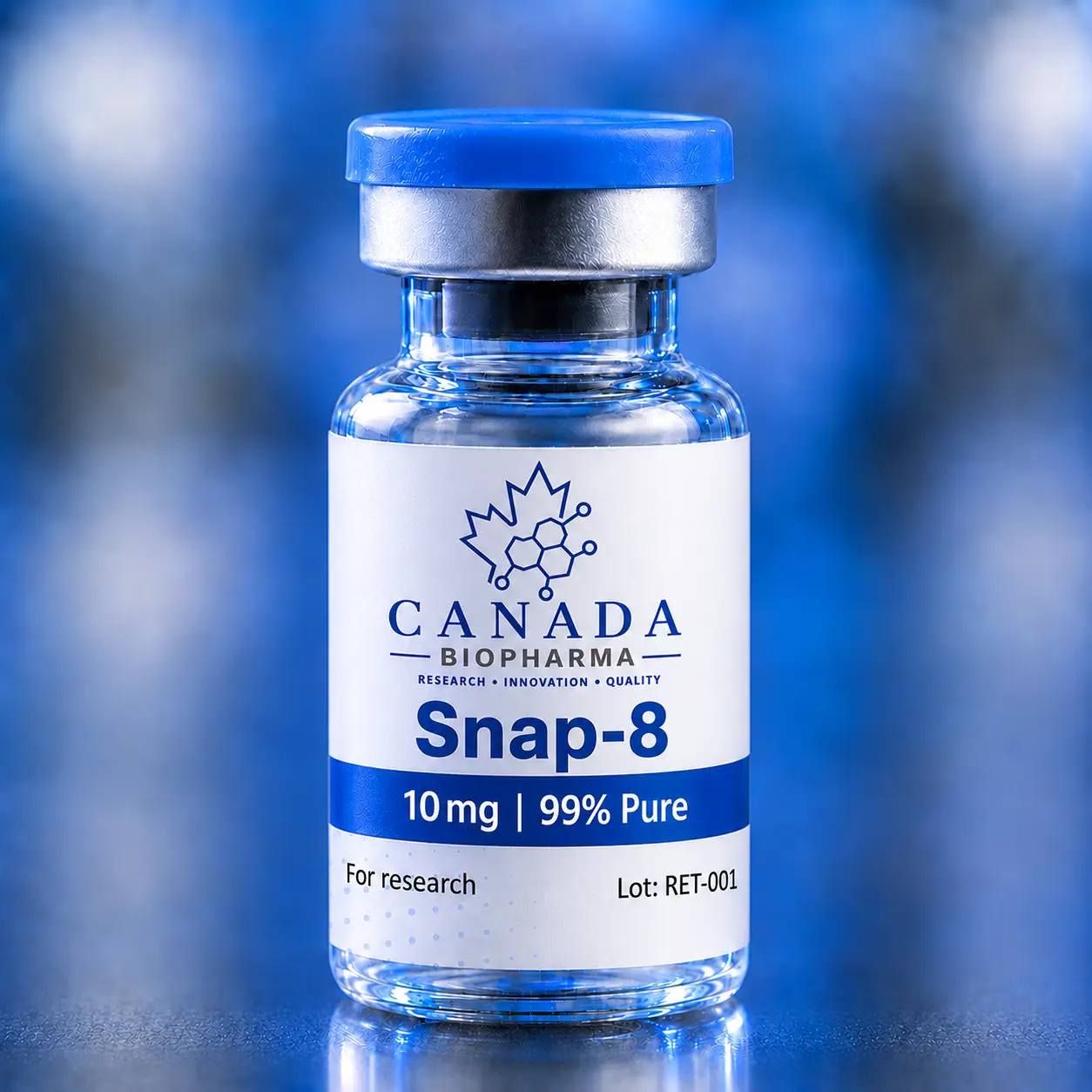
SNAP-8 10 mg

Description
Overview
SNAP-8, also known as Acetyl Octapeptide-3, is a synthetic cosmetic peptide primarily researched for skin appearance and wrinkle-related applications. It is generally used as a topical cosmetic ingredient rather than an approved therapeutic drug.
Potential Benefits
SNAP-8 is marketed and studied for:
- Reducing the appearance of fine lines and wrinkles
- Supporting smoother-looking skin
- Cosmetic skin conditioning
- Facial skincare and anti-aging formulations
Human studies have evaluated SNAP-8-containing formulations, including serums and microneedle patches, but these products contained multiple active ingredients, so the individual effect of SNAP-8 is not well established.
How It May Work
SNAP-8 is designed to resemble part of SNAP-25, a protein involved in neurotransmitter release. This provides the proposed basis for its cosmetic “expression-line” effect, although the mechanism and clinical significance of SNAP-8 itself have not been adequately demonstrated in controlled studies.
Strength
SNAP-8 10 mg
The 10 mg designation represents the stated quantity of peptide in the product. There is no established therapeutic human dose for a 10 mg SNAP-8 product, and published research does not establish 10 mg as a validated dosing regimen.
Safety
Safety data specifically for SNAP-8 are limited. The available human research has mainly involved topical or microneedle cosmetic formulations. There is insufficient evidence to establish the safety of injectable or systemic SNAP-8 use.
Regulatory Status
SNAP-8 is treated primarily as a cosmetic ingredient, not an FDA-approved drug. No FDA-approved SNAP-8 drug product was identified. Cosmetic use does not establish approval for therapeutic or injectable applications.
Conclusion
SNAP-8 10 mg is a cosmetic peptide associated mainly with anti-wrinkle and skin-conditioning research. While some small studies of SNAP-8-containing formulations have reported improvements in skin appearance, evidence for SNAP-8 as an isolated ingredient remains limited, and 10 mg should be regarded as a product quantity rather than an established medical dose.
Reviews
There are no reviews yet.