
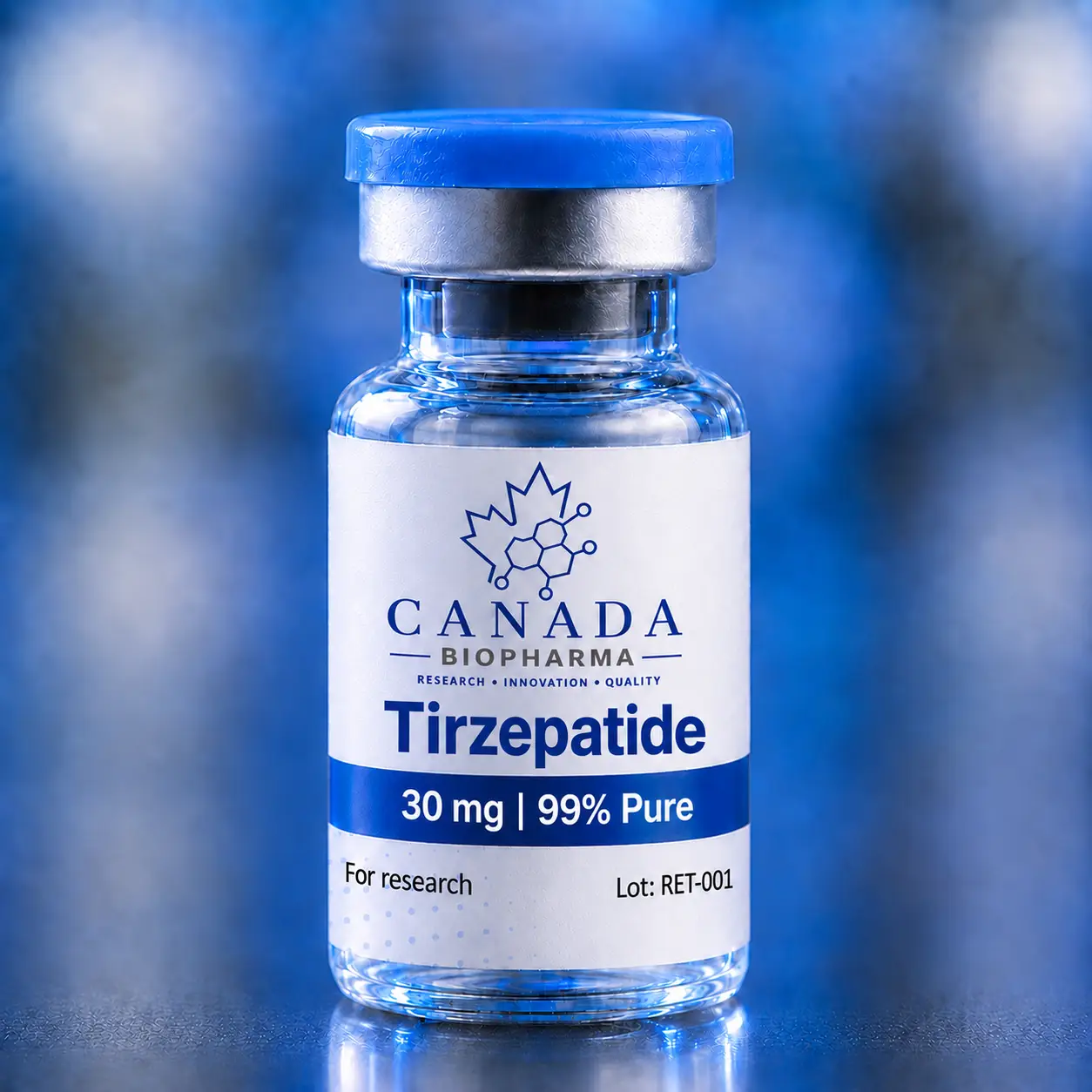
$75.00
Tirzepatide
It is an injectable prescription medication used to manage type 2 diabetes and support chronic weight management in eligible patients. It works by activating GIP and GLP-1 receptors, helping regulate blood sugar, reduce appetite, and increase feelings of fullness. Common side effects include nausea, vomiting, diarrhea, and constipation. Use only under qualified medical supervision and according to an approved prescription.

Description
1. Overview
Tirzepatide is a prescription medication used to improve blood sugar control in adults with type 2 diabetes and, in certain countries, to support long-term weight management in eligible adults. It acts on two hormone receptors: GIP (glucose-dependent insulinotropic polypeptide) and GLP-1 (glucagon-like peptide-1). These hormones help regulate blood glucose, appetite, and food intake.
2. Benefits
-
Weight management: Can help eligible patients achieve significant weight loss when combined with lifestyle changes.
-
Blood sugar control: Helps lower blood glucose levels in people with type 2 diabetes.
-
Appetite regulation: May reduce hunger and increase feelings of fullness.
-
Portion control: May help people feel satisfied after eating smaller meals.
-
Metabolic health: Weight reduction may improve certain weight-related health risk factors.
Individual results vary depending on health status, treatment adherence, and lifestyle.
4. How It Works
Tirzepatide mimics the activity of GIP and GLP-1 hormones. It helps the body release insulin in response to elevated blood glucose, reduces glucagon secretion when appropriate, slows stomach emptying, and influences appetite and food intake.
5. Possible Side Effects
Common side effects include:
-
Nausea and vomiting
-
Diarrhoea or constipation
-
Abdominal discomfort
-
Reduced appetite
-
Indigestion
Serious risks can include pancreatitis, gallbladder problems, dehydration-related kidney injury, and severe gastrointestinal reactions.
6. Strengths and Dosage
Tirzepatide is available in several prescription strengths, including 2.5 mg, 5 mg, 7.5 mg, 10 mg, 12.5 mg, and 15 mg in certain markets. Treatment generally starts at a low dose and is adjusted gradually by a healthcare professional. The 15 mg strength is not an appropriate starting dose for most patients.
7. Safety Precautions
Tirzepatide is not suitable for everyone. It carries a boxed warning in the United States regarding thyroid C-cell tumours observed in rats; the relevance to humans remains uncertain. It is contraindicated for people with a personal or family history of medullary thyroid carcinoma or multiple endocrine neoplasia syndrome type 2 under US prescribing information. Pregnancy, other medications, and a history of pancreatic or gastrointestinal disease should also be discussed with a clinician.
8. Conclusion
Tirzepatide is an established prescription treatment for type 2 diabetes and, in approved settings, chronic weight management. Its potential benefits include improved glucose control, reduced appetite, and weight loss when used alongside appropriate lifestyle changes. It should be used under medical supervision and according to the locally approved prescribing information.
Reviews
There are no reviews yet.